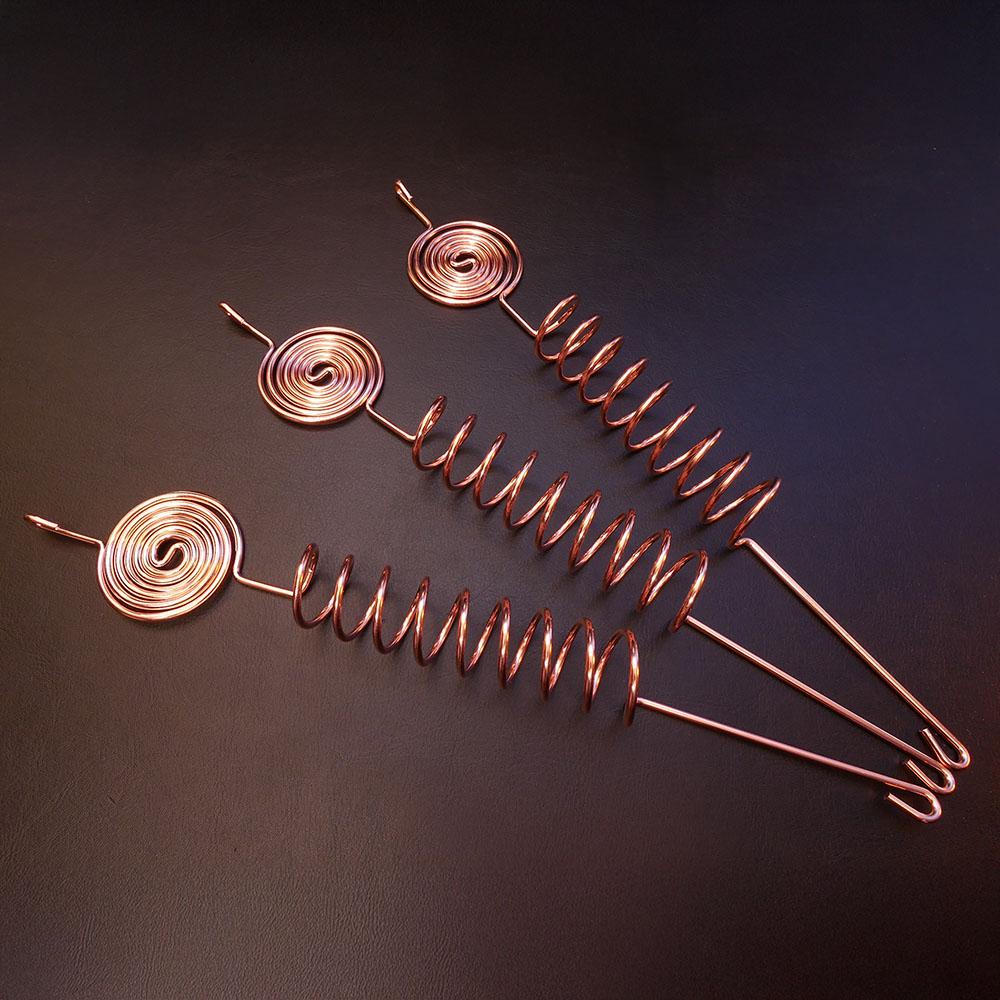
Electroculture, the fascinating method , proposes that crops can benefit when given to gentle electric charges. Certain electroculture believe that this subtle stimulation enhances mineral uptake , leading to accelerated maturation and possibly more production. While scientific confirmation is insufficient, numerous practitioners report astounding results in their home patches , inspiring ongoing study of this unconventional approach to agriculture and produce cultivation.
An Introductory Guide to Electro-culture Gardening
Curious to explore a innovative gardening method ? Electroculture gardening involves harnessing electric energies to boost plant development . It's sounds complex , but the fundamental principles are surprisingly straightforward to grasp . Typically, it requires creating some grid of copper wire over your plants , often connected to a gentle energy source. While definitive proof remains limited, many enthusiasts claim significant benefits in crop health and output . We'll briefly discuss the essentials in following sections.
Can Electroculture Really Function? Separating Reality versus Fiction

Electroculture, an approach utilizing minimal electricity to boost vegetation production, ignited considerable interest online. However, it's essential to carefully assess the claims and distinguish valid observations from dubious promotion. Despite certain primitive trials appear to show improved outputs, the scientific basis stays primarily obscure. Many claimed achievements could be attributed to confounding variables, such as the ground, water management, or simple coincidence. Better study and official approval are required to establish whether electroculture represents reliable farming method .
Creating Your Own Electroculture Garden: A Step-by-Step Guide
Embarking towards the intriguing world of electroculture can seem daunting, but constructing your homemade electroculture garden is surprisingly achievable with a few basic steps. First, gather your materials: a pot , copper strips, zinc sheet , water, and a power source – a small battery or homemade cell can work . Then , place the copper and zinc surrounding the water in the container, ensuring they haven't touch. The electrical field emitted between these metals is thought to stimulate plant vitality. Finally, monitor your plants and modify the system as needed – electroculture is as much concerning experimentation as it is about following guidelines.
Electrical Gardening vs. Traditional Gardening : What's The Variation ?

Numerous cultivators are considering electrical gardening as an alternative to standard horticulture . While both pursue to grow thriving vegetation, they utilize drastically distinct strategies. Traditional cultivation relies on soil minerals , illumination, and moisture , often with added enhancements. In contrast , electroculture utilizes a small electrical to energize plant development , conceivably check here lessening the dependence on soil and traditional fertilizers . Finally , bio-electrical farming embodies a relatively emerging area in farming possessing distinct potential .
Boosting Plant Growth with Electroculture: Potential & Practicalities
Electroculture, a fringe process suggesting plant flourishing through electrical currents , has sparked considerable interest amongst gardeners . Initial reports suggested remarkable increases in harvest and general plant vitality . While the specific mechanism remains unknown, some theories point to greater water absorption and nutrient access within the soil . Practical applications can range from basic DIY setups using copper and zinc electrodes to more complex systems . However, it’s crucial to approach electroculture with consideration, acknowledging the limited peer-reviewed scientific data and potential hazards associated with improper implementation. Further investigation is required to completely comprehend the potential and limitations of this fascinating technique to agriculture .
- Potential benefits include increased yield and improved plant health.
- Consider the need for further research and scientific validation.
- Practical applications range from simple DIY systems to complex configurations.